A logo is often the first handshake between a brand and its audience. It has to work on a business card, a billboard, and a tiny app icon — all at once. So when a founder sits down to design one in 2026, a real question comes up fast: Do you trust an AI logo generator or hire a human designer?
Both options have gotten a lot better in the last few years. AI tools now produce polished, on-trend designs in seconds. Human designers, meanwhile, are leaning into strategy and storytelling — the parts AI still struggles to replicate. This guide breaks down how the two actually compare, so you can pick the right one for your brand instead of guessing.
Quick Answer: Which Is Better for Logo Design?
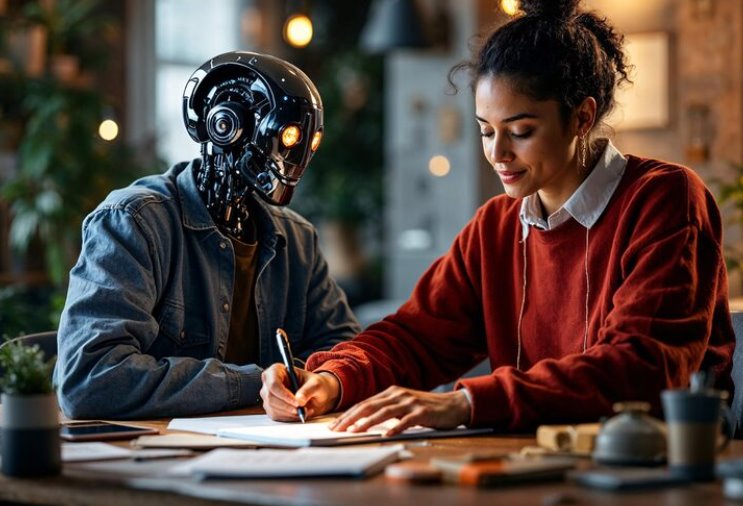
AI logo generators are the better choice for speed, cost, and quick iterations — ideal for startups and side projects on a tight budget. Human designers remain the stronger choice for brand strategy and identity development, originality, and trademark-safe designs that need to scale across a full identity system. Most established businesses get the best results by using AI for early exploration and a human designer for the final, market-ready logo.
How AI Logo Design Has Evolved by 2026
AI logo generators have moved well past the generic clipart-and-font-pairing tools of a few years ago. Modern platforms use large design datasets and generative models to produce logos that respond to brand keywords, industry, and style preferences almost instantly. If you’re comparing the latest platforms, it’s worth exploring the best AI tools for logo design and branding available in 2026.
What AI Does Well
- Speed: A usable logo concept in under a minute, versus days or weeks with a human designer.
- Cost: Many AI tools charge a flat fee or subscription far below a typical freelance design rate.
- Volume: Dozens of variations generated instantly, useful for early brainstorming.
- Consistency: AI tools rarely miss a brief on basic technical specs like file formats or color modes.
Where AI Still Falls Short
- Originality: AI-generated logos are trained on existing design patterns, so outputs can look similar to logos already in the market — a real risk for trademark conflicts.
- Strategic thinking: AI doesn’t ask why a brand exists, who it’s competing against, or what emotion it needs to evoke. It pattern-matches; it doesn’t strategize.
- Nuance: Cultural context, industry-specific symbolism, and subtle brand positioning are still hard for AI to get right without heavy human editing.
Why Human Designers Still Matter in 2026
Professional designers bring something AI can’t fully replicate: a point of view shaped by research, client conversations, and creative judgment built over years of practice.
The Strengths of Human Designers
- Brand strategy first: A skilled designer starts with your positioning, audience, and competitors — not just a style prompt.
- Originality and ownership: Custom concepts built from scratch, reducing the risk of accidental similarity to existing marks.
- Craftsmanship: Attention to typography, spacing, and scalability across every use case, from favicons to storefront signage.
- Collaboration: Real feedback loops let you refine the concept until it actually feels right — something a one-shot AI generation can’t offer.
The Trade-Offs
- Cost: Professional logo design typically costs more than an AI subscription.
- Timeline: Expect days to weeks, not seconds, depending on the designer’s process and revision rounds.
AI vs. Human Designers: Side-by-Side Comparison
| Factor | AI Logo Generator | Human Designer |
| Speed | Seconds to minutes | Days to weeks |
| Cost | Low, often flat-fee or subscription | Higher, project-based |
| Originality | Pattern-based, higher duplication risk | Custom, strategy-driven |
| Brand strategy | Minimal to none | Deep, research-backed |
| Revisions | Instant regeneration | Guided, collaborative rounds |
| Trademark safety | Higher risk | Lower risk with proper research |
| Best for | Startups, MVPs, quick projects | Established brands, long-term identity |
Which One Should You Choose?
Choose an AI Logo Generator If:
- You’re testing a business idea and need a placeholder logo fast.
- Budget is your top constraint.
- You just need a simple mark for a side project, not a full brand system.
Choose a Human Designer If:
- You’re building a brand meant to last and scale.
- You need strategic input, not just visuals.
- Trademark protection and originality matter to your business.
- You want a full identity system — logo, color palette, typography, brand guidelines — not just a single image file.
The Hybrid Approach: Best of Both Worlds
A growing number of brands in 2026 use both. AI tools are great for rapid moodboarding and early concept exploration. Once a direction feels promising, a human designer refines it — sharpening the typography, checking for originality, and building out the full brand system around it. This hybrid workflow reflects how AI is transforming graphic design and branding while still relying on human creativity where it matters most.
Final Verdict
Neither AI nor human designers are objectively “better” in every scenario — it depends on your stage, budget, and goals. For fast, low-cost logo exploration, AI tools are hard to beat. For a distinctive, trademark-safe brand identity built to last, a human designer is still the safer investment. As AI tools continue to improve through 2026 and beyond, the smartest approach may not be choosing one over the other, but knowing when to use each.
Internal Linking Suggestions
- Link the phrase “brand identity” to a guide on “How to Build a Complete Brand Identity System”
- Link “trademark conflicts” to a post on “How to Trademark Your Logo and Brand Name”
- Link “professional logo design” to your “Logo Design Services” landing page
- Link “AI design tools” to a roundup post like “Best AI Logo Generators Compared (2026 Review)”
- Link “brand guidelines” to a resource on “What to Include in a Brand Style Guide”
FAQs (SEO + Featured Snippet Optimized)
1. Are AI-generated logos good enough for a real business?
AI-generated logos work well for early-stage businesses, MVPs, and budget-conscious startups. However, they carry a higher risk of looking similar to existing logos, so businesses planning to trademark their brand should have a human designer review or refine the final design.
2. Is AI logo design cheaper than hiring a designer?
Yes. Most AI logo generators charge a one-time fee or low-cost subscription, while professional designers typically charge per project based on scope, experience, and revisions — usually a significantly higher investment.
3. Can AI logos be trademarked?
AI logos can be trademarked, but only if they’re sufficiently original and don’t infringe on existing marks. Because AI tools are trained on large design datasets, there’s a higher chance of unintentional similarity, so a trademark search is strongly recommended before filing.
4. Do human designers still have an advantage over AI in 2026?
Yes. Human designers bring strategic thinking, brand research, and creative judgment that AI still can’t fully replicate. AI is faster and cheaper, but humans remain stronger at originality and long-term brand strategy.
5. Should startups use AI or hire a designer for their first logo?
Startups on a tight budget can start with an AI-generated logo for early branding and marketing tests. As the business grows and brand identity becomes more important, upgrading to a custom design from a human designer is usually worth the investment.
AI vs. human logo designers:
AI logo generators offer speed and low cost, making them ideal for startups needing a quick, budget-friendly logo. Human designers offer stronger brand strategy, originality, and trademark safety, making them the better choice for businesses building a lasting, professional brand identity.
Call to ActionNot sure which route is right for your brand?
Whether you need a fast AI-generated concept to get started or a custom logo built by a professional designer, our team can help you find the right fit for your budget and goals. Get a free logo consultation today